

Collaborative Robots (Cobots) – A Flexible and Safe Automation Solution for Modern Factories
- Writer: Le Ngoc Manh at the time
- Blog EN
In the era of smart manufacturing and Industry 4.0, mechanical and electronics businesses are constantly seeking ways to optimize their production lines while ensuring productivity, saving space, and reducing costs. While traditional industrial robots require bulky protective enclosures and complex programming processes, the emergence of collaborative robots (Cobots) has opened up an entirely new era. This is a user-friendly automation solution that allows humans and robots to work directly alongside each other safely, providing outstanding flexibility for all types of manufacturing facilities.
This article will provide a detailed analysis of the concept, core advantages, practical applications, and the reasons why collaborative robots are becoming a leading investment trend for businesses today.
1. What Is a Collaborative Robot (Cobot)?
A collaborative robot (Collaborative Robot, commonly abbreviated as Cobot) is a generation of industrial robots specifically designed to interact directly and safely with humans while sharing the same workspace without requiring physical safety barriers or isolation systems like traditional robots.
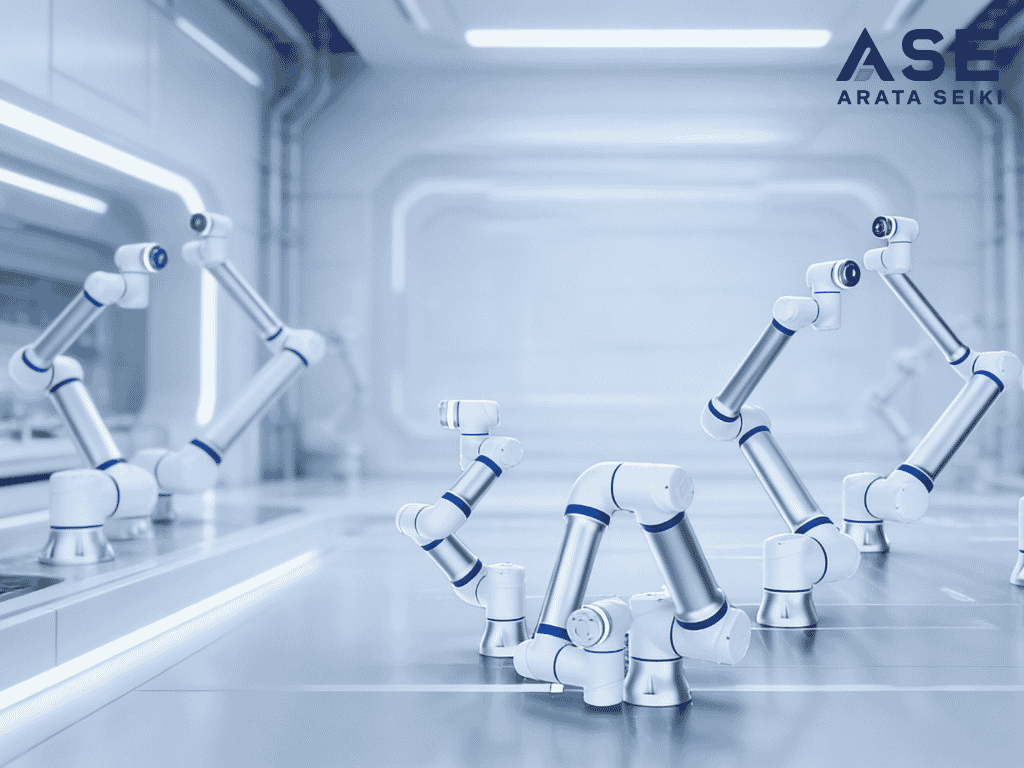
Unlike heavy-duty industrial robots designed to operate independently at high speeds, Cobots focus on flexibility, ease of integration, and the ability to assist people with repetitive tasks that require precision or may pose a risk of injury due to physical fatigue.
2. Outstanding Advantages of Collaborative Robots
Collaborative robots are increasingly gaining ground in the automation market thanks to their unique technical and economic advantages:
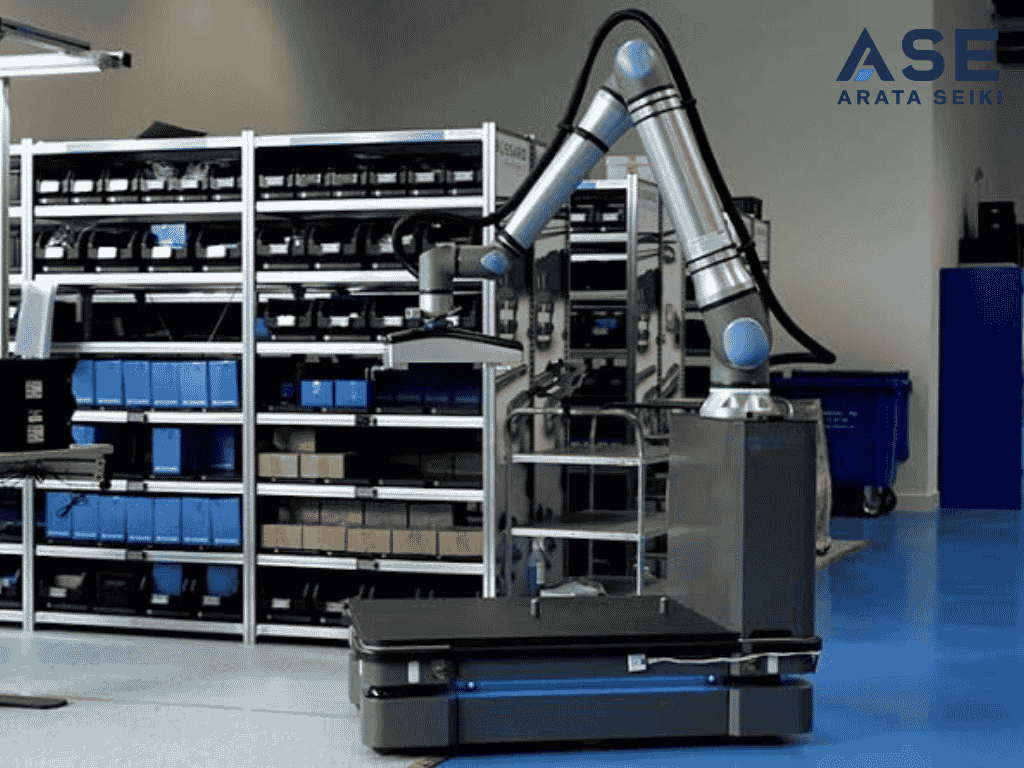
High Safety When Working Alongside Humans
Cobots are equipped with highly sensitive force and collision sensors. As soon as abnormal resistance or contact with a person is detected, the system immediately stops within milliseconds, helping prevent workplace accidents. This allows humans and robots to work together smoothly within the same workstation.
Flexibility and Easy Relocation
With relatively lightweight construction and compact dimensions, collaborative robots can be easily disassembled and moved from one production line to another within a short period. Businesses can utilize the same equipment for different production processes depending on seasonal production requirements.
Simple and Intuitive Programming
Setting up work cycles for a Cobot is extremely easy thanks to the "drag-to-teach" function – operators simply hold the robot arm and guide it through the required positions or program it through an intuitive drag-and-drop touchscreen interface. No specialized team of engineers is required to write complex source code, and virtually any worker can operate the equipment after just a few hours of training.
3. Practical Applications of Collaborative Robots in Factories
Thanks to their ability to flexibly replicate human hand movements, collaborative robots are widely used across various stages of production:
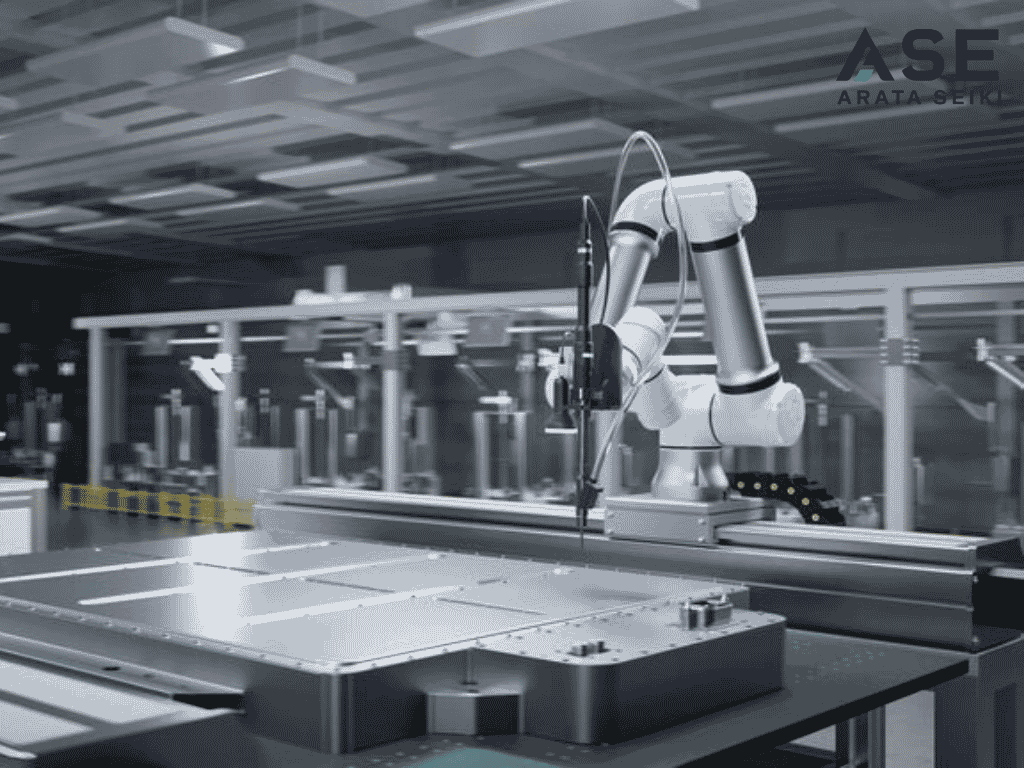
- Workpiece Loading and Pick and Place: Automatically load and unload workpieces into CNC machines and presses or sort products on conveyor systems with consistent precision around the clock.
- Collaborative Welding: Perform small and complex weld seams in confined spaces that are difficult for larger robots to access, providing valuable support to welders.
- Electronic and Mechanical Component Assembly: Perform screw fastening, circuit board assembly, and the connection of small components requiring consistent tightening force and high precision.
- Adhesive Dispensing, Coating, and Automated Optical Inspection (AOI): Move adhesive dispensing guns or inspection cameras along predefined contours, ensuring consistent adhesive application without excess material.
4. Economic Benefits of Investing in Collaborative Robots
- Long-Term Investment Cost Optimization: Reduce the pressure caused by labor shortages for heavy, hazardous, or repetitive tasks while shortening the payback period thanks to the robot's high flexibility.
- Improved Quality and Productivity: Eliminate errors caused by human fatigue during extended shifts and maintain consistently high product quality.
- Factory Space Savings: The streamlined design allows Cobots to easily fit into existing confined workspaces without requiring factory infrastructure modifications or expansion.
Frequently Asked Questions (FAQ)
1. What Is the Maximum Payload Capacity of a Collaborative Robot?
The payload capacity of collaborative robots typically ranges from 3 kg to approximately 20 kg, depending on the specific model. Businesses should determine the weight of the objects to be handled in order to select a robot with an appropriate payload capacity, ensuring equipment durability and an adequate safety margin.
2. Do Operators Need Advanced Programming Skills to Use a Cobot?
Not at all. The control interface of collaborative robots is designed to be simple and intuitive, supporting drag-and-drop programming and manual guidance functions. Operators typically need only 1 to 2 days of training to independently set up and operate the system smoothly.
3. Can Collaborative Robots Completely Replace Humans in Factories?
No. As the name "collaborative robot" suggests, Cobots are designed to work alongside humans, helping workers handle heavy, repetitive, or hazardous tasks. This allows employees to transition toward higher-level roles involving supervision, management, and advanced technical operations.
Conclusion
Collaborative robots are a key solution that helps factories embark on automation in a smooth, flexible, and cost-effective manner. Investing in Cobots is not only a solution to labor shortages but also a way to enhance a company's competitiveness in the era of digital manufacturing.